

When Brand Meets Product
Why identity and digital experience should never feel like separate worlds.
There was a time when brand and product could exist in different rooms. The brand team built the identity. The product team built the interface. Marketing made the campaigns. Someone else built the website. Today, people experience all of those things as one brand. They don’t separate the logo from the onboarding flow. They don’t think about the brand strategy before opening the app. They simply experience what is in front of them. That makes the relationship between brand and product more important than ever. A brand can promise simplicity while its product feels complicated. It can position itself as bold while its interface feels cautious.
It can build a sophisticated identity and then lose all of that character the moment someone clicks into the product.
That gap is where good branding starts to fall apart. The strongest brand and product work begins from the same idea and develops it across different environments.
Typography becomes part of the interface. Colour becomes part of interaction. Motion becomes part of the brand language. Tone of voice becomes part of UX.
Layout becomes part of recognition. The identity doesn’t simply sit on top of the product.
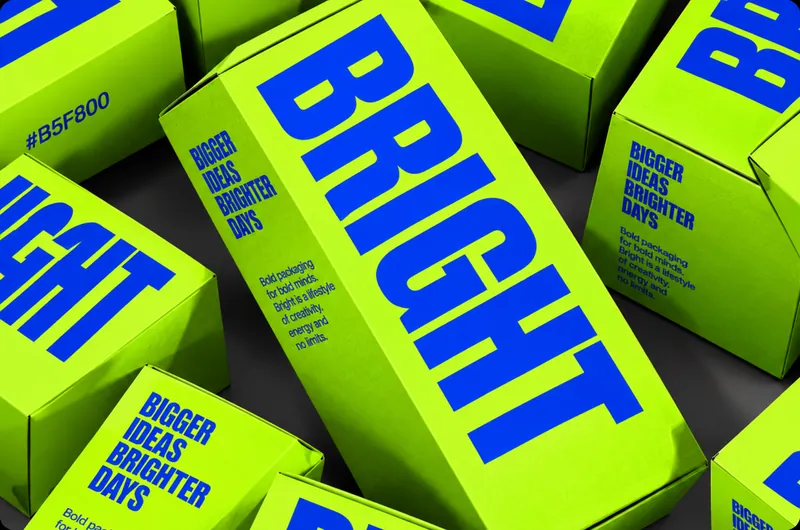
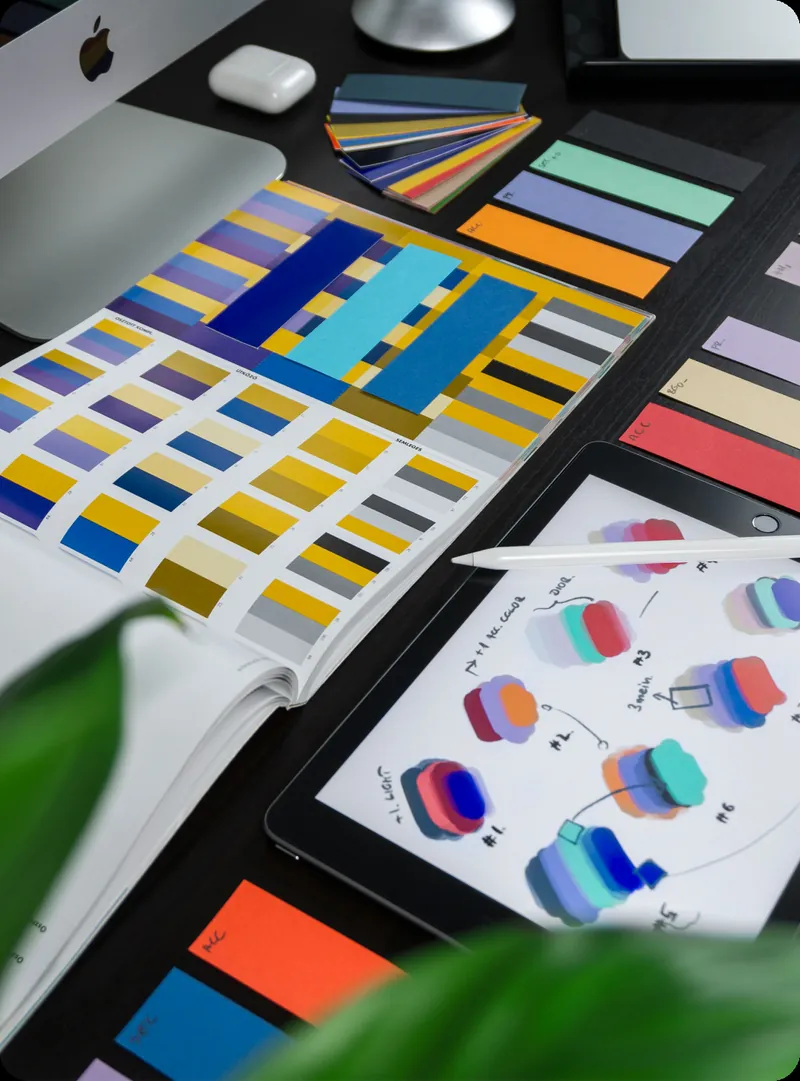
It becomes part of how the product behaves. This is increasingly reflected in how contemporary studios structure their work. Studios such as Brikken+Co position strategy, brand and product as connected disciplines, while 19x17 describes its work across branding, product design and digital experiences as a connected design practice rather than separate services. The benefit is not just visual consistency.
It creates a more coherent experience. When the same thinking runs from positioning to identity to interface, every touchpoint starts reinforcing the others.
The brand tells you what the product stands for. The product proves it. That is the relationship we find most interesting. Because a digital product is not just another place to put a logo.
It is one of the places where a brand becomes real.